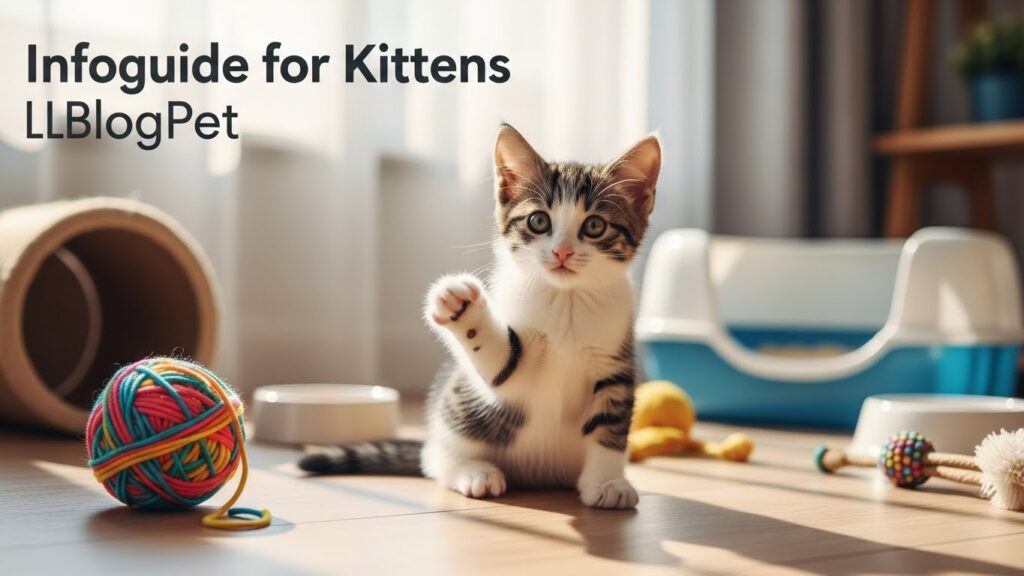
Bringing a kitten home is one of life’s most joyous experiences. Their tiny paws, curious eyes, and playful antics instantly warm your heart. However, raising a happy and healthy kitten involves more than just cuddles and toys. From proper nutrition to socialization and preventative healthcare, every aspect matters. This Infoguide for Kittens LLBlogPet offers an all-inclusive roadmap for new kitten parents, ensuring your furry friend grows up healthy, confident, and full of life.
Understanding Kitten Development Stages
Kittens grow rapidly, and each stage of development comes with unique needs. From birth to eight weeks, they rely entirely on their mother or a carefully monitored feeding schedule. During this neonatal period, their eyes and ears open, and they begin to explore their surroundings. Socialization starts gradually, and it is crucial to handle them gently to instill trust.
Between 8–12 weeks, kittens become more active and playful. This is the ideal time to introduce them to toys, scratching posts, and basic socialization. By 3–6 months, kittens are learning bite inhibition, litter training, and basic behavioral cues. Understanding these stages allows owners to provide targeted care, fostering both physical and emotional growth.
Essential Nutrition for Growing Kittens
Proper nutrition is the cornerstone of kitten health. A balanced diet ensures strong bones, a healthy immune system, and energy for play. Kittens require food rich in protein, fats, vitamins, and minerals. High-quality commercial kitten food, either wet or dry, is often recommended for consistency.
Table: Recommended Nutrients for Kittens
| Nutrient | Function | Recommended Source |
|---|---|---|
| Protein | Muscle development | Chicken, fish, turkey |
| Fat | Energy and brain growth | Fish oil, animal fats |
| Calcium & Phosphorus | Bone and teeth development | Dairy, fortified foods |
| Vitamin A | Vision and immunity | Liver, eggs |
| Taurine | Heart and eye health | Meat-based foods |
Fresh water must always be available. Treats should be occasional, and avoid toxic foods like onions, chocolate, or grapes. Feeding schedules should match age and weight, gradually reducing frequency as kittens grow.
Litter Training: Tips for Success
Litter training is a vital part of kitten care. Most kittens instinctively use litter if introduced early. Choose a shallow litter box with low sides for easy access. Use unscented, clumping litter to avoid irritation. Place the box in a quiet, accessible area, away from food and water.
Positive reinforcement accelerates training. Praise or gently reward your kitten after successful usage. Avoid punishment, as kittens learn through repetition and encouragement. Frequent cleaning of the litter box reduces odors and promotes hygiene. Over time, your kitten will naturally adapt, making litter training a stress-free experience.
Socialization and Behavior
Kittens are naturally curious, and early socialization determines their temperament. Introduce them to household sounds, other pets, and people gradually. Gentle handling and play help develop confidence and reduce anxiety. Play also teaches kittens bite inhibition and appropriate scratching behaviors.
Observe body language to understand their moods. Tail position, ear orientation, and vocalizations provide insights into comfort levels. Socialization isn’t just about exposure—it’s about ensuring positive, stress-free interactions. Well-socialized kittens grow into affectionate, adaptable adult cats.
Essential Kitten Toys and Play
Playtime is critical for physical and mental development. Toys stimulate curiosity, improve coordination, and prevent boredom. Interactive toys, like feather wands or laser pointers, engage kittens while encouraging exercise. Small balls, tunnels, and scratching posts also enhance motor skills.
Rotate toys regularly to maintain interest. Supervised play prevents accidents, while solo toys allow independent exploration. Incorporating play into daily routines strengthens the bond between you and your kitten, making them more confident and emotionally balanced.
Grooming and Hygiene Essentials
Kittens require grooming to maintain clean fur and skin. Brushing reduces shedding, prevents hairballs, and distributes natural oils. Short-haired breeds may need weekly grooming, while long-haired breeds require daily attention. Bathing is rarely necessary unless they get dirty, but occasional gentle cleaning is beneficial.
Regular nail trimming prevents scratches, and ear cleaning reduces infections. Dental care is essential as well, using kitten-safe toothbrushes or treats designed for oral health. Grooming not only maintains hygiene but also fosters trust and positive interactions.
Vaccinations and Preventive Healthcare
Preventive healthcare is crucial for a kitten’s wellbeing. Core vaccinations protect against feline viral diseases like FVRCP and rabies. Discuss vaccination schedules with a veterinarian to ensure timely protection. Deworming and flea control are equally important, especially in multi-pet households.
Table: Core Vaccinations for Kittens
| Vaccine | Purpose | Recommended Age |
|---|---|---|
| FVRCP | Protects against viral infections | 6–8 weeks, boosters |
| Rabies | Prevents rabies transmission | 12–16 weeks |
| FeLV | Feline leukemia virus protection | 8–12 weeks, boosters |
Regular vet checkups allow early detection of health issues, ensuring a long, happy life for your kitten.
Creating a Safe Environment
Kittens are naturally curious and can explore areas that may pose risks. Secure windows, cords, and toxic plants. Ensure small objects that could be swallowed are out of reach. Create cozy resting spots, scratching areas, and litter stations to encourage safe exploration.
Using kitten-proof gates or playpens can provide freedom while reducing risk. A safe environment minimizes accidents and fosters independence, allowing kittens to explore confidently.
Understanding Kitten Sleep Patterns
Kittens spend a significant portion of their day sleeping, sometimes 16–20 hours. Sleep is essential for growth, cognitive development, and energy restoration. They usually nap after bursts of play or exploration, and disturbances can impact their health.
Providing quiet, cozy areas encourages uninterrupted rest. Observing sleep habits can also help detect illness or discomfort. Healthy sleep routines contribute to a calm, well-adjusted kitten.
Nutrition and Treats: Balancing Fun and Health
Treats are a great way to bond and reinforce good behavior but must be given sparingly. Avoid overfeeding, which can lead to obesity. Healthy options like freeze-dried meats or kitten-safe treats are preferred.
List: Healthy Treat Tips
- Offer treats no more than 5% of daily calories
- Introduce new treats gradually to monitor tolerance
- Avoid human snacks that are toxic to cats
A balanced approach ensures treats remain a fun reward without compromising nutrition.
Travel and Outdoor Adventures
Introducing kittens to outdoor experiences or travel should be gradual. Harness training and secure carriers prevent stress and injury. While indoor kittens rarely require outdoor access, short, controlled exposure can enrich their lives.
Discounts on pet travel essentials may be available using codes like discount ttweakflight or ttweakflight discount code from traveltweaks. These promotions can help reduce costs when purchasing carriers, harnesses, or travel-related accessories.
Recognizing Health Issues Early
Kittens can hide symptoms of illness, making vigilance critical. Common signs include lethargy, diarrhea, vomiting, or loss of appetite. Dental issues, skin infections, and eye discharge are also red flags. Prompt veterinary care prevents complications.
Table: Common Kitten Health Concerns
| Symptom | Possible Cause | Action |
|---|---|---|
| Lethargy | Infection, parasites | Vet check immediately |
| Diarrhea | Diet, infection | Monitor, hydrate, vet |
| Sneezing or coughing | Respiratory infection | Isolate and consult vet |
| Scratching excessively | Fleas, allergies | Treat and groom |
Early detection is key to maintaining a healthy, happy kitten.
Behavioral Training and Enrichment
Behavioral training strengthens bonds and promotes mental growth. Use positive reinforcement to teach appropriate scratching, playing, and social habits. Avoid punishment, as kittens respond best to encouragement. Enrichment activities, such as puzzle feeders, climbing structures, and interactive toys, stimulate curiosity and problem-solving skills.
Routine training sessions of 5–10 minutes are sufficient. Consistency, patience, and rewards create confident, well-adjusted kittens that integrate seamlessly into your household.
Kitten Identification and Safety Measures
Microchipping and ID tags are essential for kitten safety. Even indoor cats can accidentally escape, and proper identification ensures they can be returned. Regularly update contact information and check that collars are safe, with breakaway features to prevent accidents.
These precautions reduce the stress of lost pets and provide peace of mind for owners. A combination of microchipping and visible identification is the most reliable safety strategy.
Grooming for Long-Haired vs. Short-Haired Kittens
Different coat types require tailored grooming. Long-haired breeds, like Persians, need daily brushing to prevent matting. Short-haired breeds require less frequent brushing but still benefit from routine attention. Grooming tools vary, including combs, slicker brushes, and grooming gloves.
Understanding breed-specific needs ensures comfort, reduces shedding, and strengthens human-animal bonding.
Seasonal Care Tips for Kittens
Seasons affect kitten health and behavior. Summer requires hydration, heat management, and sun protection for sensitive areas. Winter calls for warm sleeping areas and monitoring for drafts. Seasonal vaccinations or parasite prevention may also be necessary.
Preparedness helps maintain comfort, safety, and health, keeping kittens active and playful year-round.
Feeding Schedules and Transitioning to Adult Food
Kittens gradually move from mother’s milk to solid food around 4–6 weeks. Transitioning should be slow to prevent digestive upset. Feed small, frequent meals initially, reducing frequency as they grow. By 12 months, most kittens are ready for adult cat food.
List: Feeding Schedule Example
- 0–4 weeks: Bottle feeding every 2–3 hours
- 4–8 weeks: Mix of wet food and weaning formula, 4–5 times/day
- 8–12 weeks: Solid wet/dry food, 3–4 times/day
- 3–12 months: Gradual reduction to 2 meals/day
Proper timing and portioning prevent obesity and ensure consistent growth.
Choosing the Right Veterinarian
Finding a trusted veterinarian is crucial for ongoing kitten care. Look for clinics with pediatric feline experience, friendly staff, and emergency services. Regular checkups, vaccinations, and health consultations build a long-term relationship that benefits your kitten’s wellbeing.
Ask questions about feeding, behavior, and preventive care. A proactive approach ensures health issues are addressed promptly and reduces stress for both kitten and owner.
Conclusion
Raising a kitten is a rewarding journey requiring knowledge, patience, and love. This Infoguide for Kittens LLBlogPet covers every essential aspect—from nutrition and socialization to grooming, health, and behavioral care. By following these guidelines, you can ensure your kitten grows into a healthy, confident, and affectionate cat. Investing time and care now creates lifelong happiness for both you and your furry companion.
FAQs
Q1: When should I start socializing my kitten?
A: Socialization should start as early as 2–3 weeks, gradually introducing gentle handling and new experiences.
Q2: Can I feed my kitten adult cat food?
A: Not recommended before 12 months, as kittens require higher protein and calorie intake for growth.
Q3: How often should I take my kitten to the vet?
A: Initially every 2–3 weeks for vaccinations and checkups, then annually after the first year.
Q4: Are treats necessary for kittens?
A: Treats are optional and should comprise no more than 5% of daily calories. They are mainly for bonding or training.
Q5: How can I prevent litter box issues?
A: Keep the litter box clean, accessible, and in a quiet area. Avoid punishment and use positive reinforcement.